
Starting orthodontic treatment is all about creating a healthy, confident smile while protecting your teeth and gums whenever possible. In some cases, though, there simply is not enough space for teeth to align properly.
At Ohana Orthodontics, we sometimes recommend tooth extractions before braces when they are the best option for long term oral health and stable results. Below, we explain when pulling teeth for braces may be necessary and what to expect.
Do All Braces Patients Have Teeth Pulled?
This is one of the most common questions we hear, and the short answer is no.
Not every patient needs tooth extractions before braces. Our goal is always to help you keep your natural teeth and move them into healthy, functional positions. Many patients can achieve great results with braces or clear aligners alone.
Some patients, however, have significant crowding. This may happen when the jaw is too small, the teeth are too large, or both. In these cases, creating space through extractions may be the best way to achieve a balanced bite and long lasting results.
Extractions are never recommended lightly. If they are needed, we explain why, discuss all alternatives, and allow time for healing before braces or Invisalign begin.
What Teeth Are Removed for Braces?
If tooth removal is part of your treatment plan, you may wonder which teeth are involved. Extractions are planned carefully with both appearance and function in mind.
In most orthodontic cases, front teeth are not removed. The teeth most commonly extracted are premolars, also called bicuspids. These teeth sit between the canines and molars and help with chewing and guiding the bite.
Most people have four premolars on the top and four on the bottom. Even when a set of premolars is removed, patients are typically able to chew comfortably once treatment is complete. The space created allows the remaining teeth to move into proper alignment.
In some cases, wisdom teeth may need to be removed, often after orthodontic treatment. Wisdom teeth are not usually the main cause of crowding, but impacted or poorly positioned wisdom teeth can still affect oral health. Not everyone develops all four wisdom teeth, and some people have none at all.
Are There Alternatives to Tooth Extraction?
Yes. Tooth extraction is not the only solution for crowded teeth.
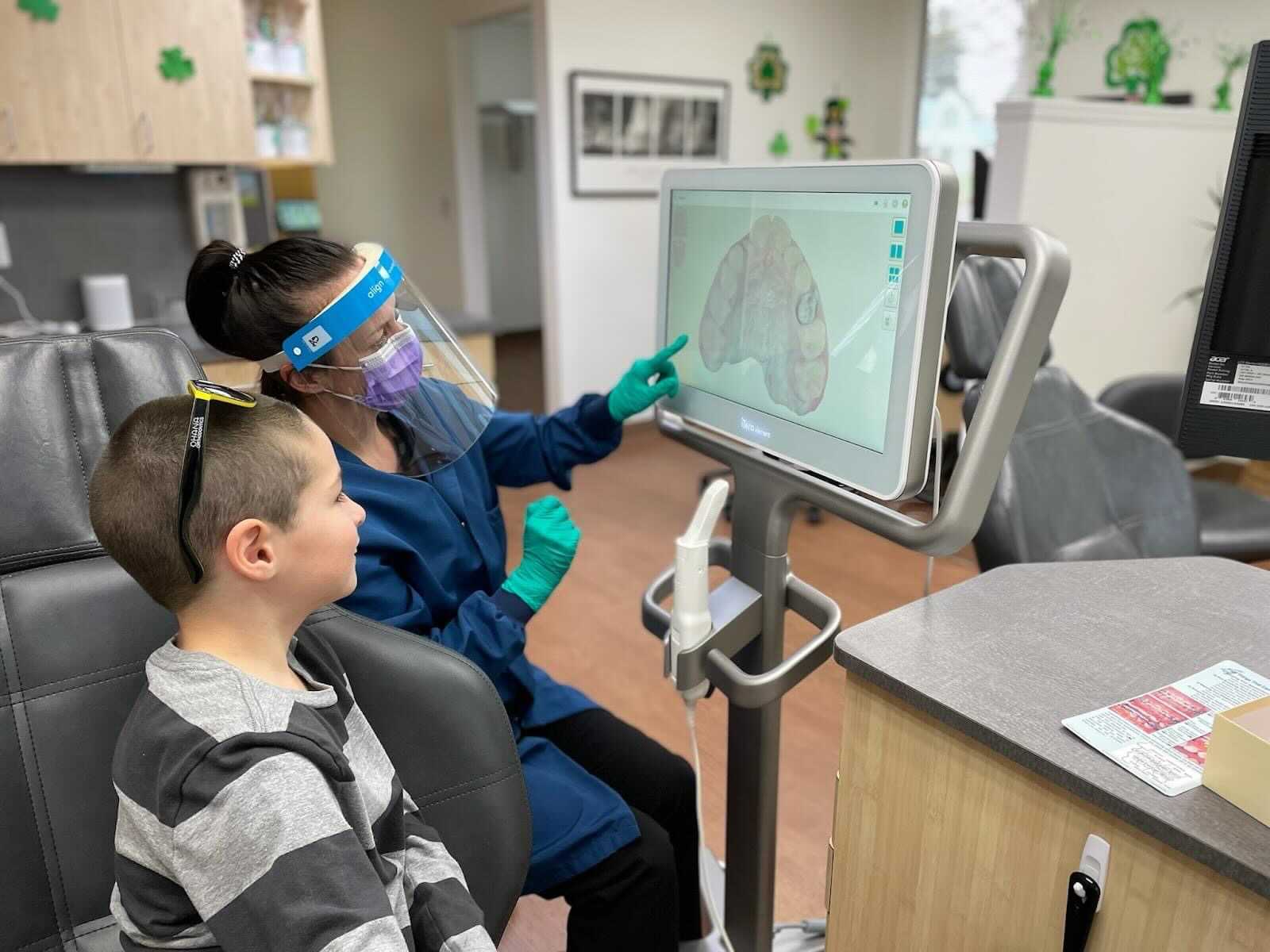
Patients with mild crowding can often be treated with braces or Invisalign alone. In more complex cases, we may use specialized orthodontic techniques to create space without removing teeth.
Palate expanders are commonly used for growing patients whose jaws are still developing. They can also be used for adults, although the process may take longer. A palate expander gradually widens the upper jaw and is typically worn for six to twelve months before braces.
Another option is interproximal reduction, also known as IPR. This involves gently smoothing small amounts of enamel between certain teeth to help them fit together more comfortably.
We will always explore these options before recommending extractions.
How Do Orthodontists Decide on Tooth Extractions?
Several factors go into deciding whether tooth extractions are necessary.
Your oral health comes first. We evaluate the health of your teeth, gums, and jaws to make sure they can heal properly. Certain gum conditions or jaw issues may affect whether extractions are appropriate.
We also assess how much space is needed and whether alternatives like palate expansion or IPR could achieve the same result. If extractions are recommended, we carefully determine which teeth to remove and how long healing should occur before treatment begins.
Every decision is based on your specific needs and long term stability.
FAQs About Tooth Extraction
How many teeth will need to be extracted?
How long does it take for extracted teeth to heal?
When will I get braces after tooth extractions?
How will I know if my wisdom teeth need to be removed?
Tooth Extraction and Braces in Canby, OR
Tooth extractions are not a routine part of braces treatment. They are usually considered only in moderate to severe crowding cases.
Whether your treatment plan includes extractions or not, Ohana Orthodontics is committed to your comfort, health, and long term results. We take the time to explain every recommendation and guide you through each step of care.
If you are ready to explore your orthodontic options, schedule an appointment with Ohana Orthodontics in Canby, OR.